Judge by category, not brand
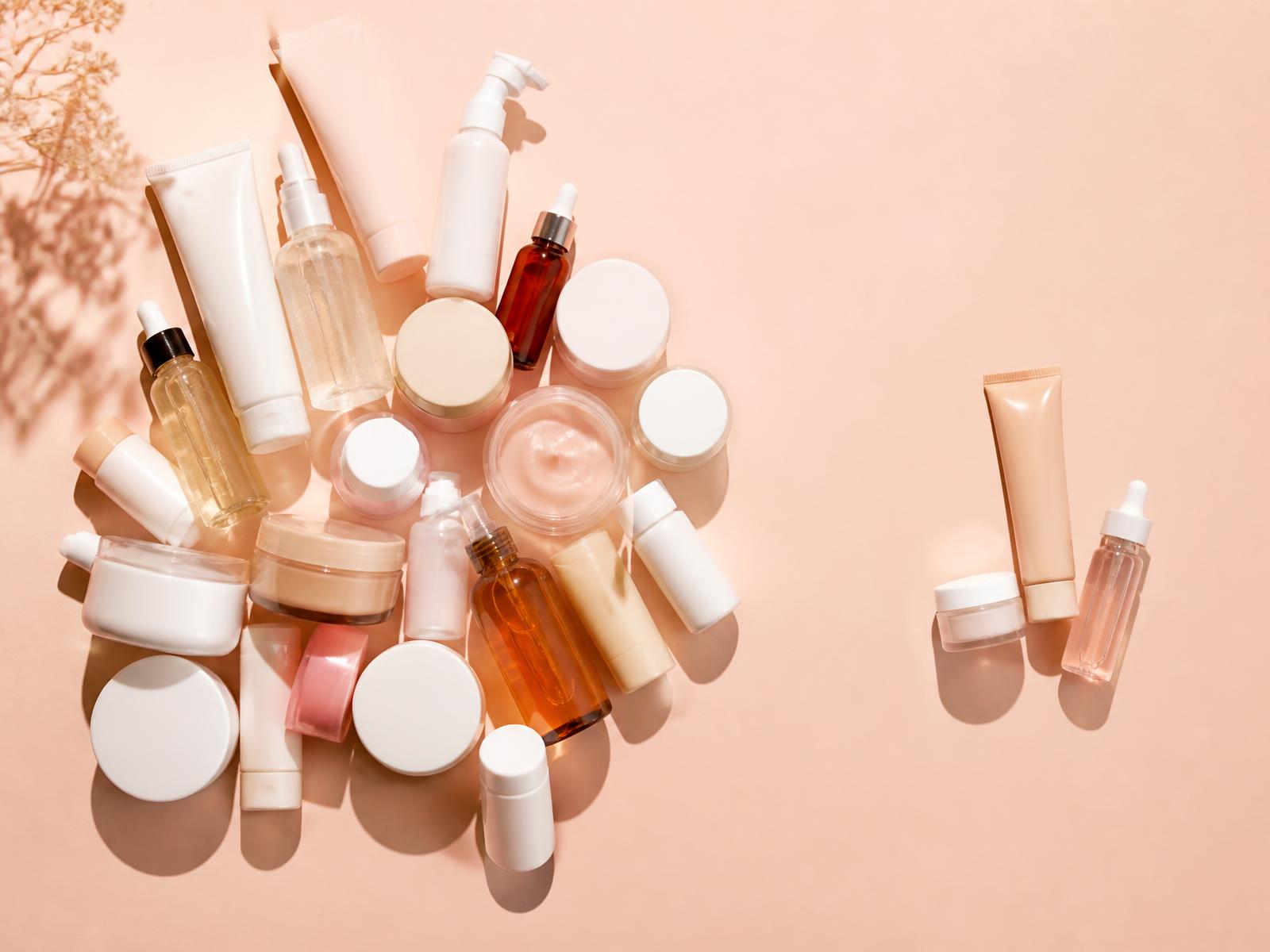
After weight loss, five categories do the heavy lifting: a gentle cleanser, a humectant hydrator, a barrier moisturiser, a retinoid, and a sunscreen you'll wear daily. Almost everything else is optional.
Within each category, price correlates poorly with performance. Formulation and consistency matter far more.
What to look for in each
- Cleanser: non-stripping, no tight feeling afterwards, fragrance-light if your skin is reactive.
- Hydrator: humectants such as glycerin or hyaluronic acid, applied to damp skin.
- Moisturiser: ceramides, fatty acids or squalane for barrier repair; richer at night.
- Retinoid: start at a low strength, two to three nights a week, buffered with moisturiser.
- Sunscreen: broad spectrum, SPF 30 or higher, and — critically — one whose texture you like.
Red flags in the marketing
- Claims about removing, shrinking or eliminating loose skin.
- Before-and-after photos with different lighting, angle or posture.
- 'Clinically proven' with no accessible study.
- Long ingredient lists where the marketed hero ingredient sits at the very bottom.
- Urgency pricing that pressures you into a decision you were already unsure about.
How to test a new product properly
- Introduce one product at a time.
- Give it six to twelve weeks unless it irritates.
- Patch test actives on the inner arm or jawline first.
- Photograph in consistent lighting if you want an honest comparison.
- Stop if it stings, burns or triggers persistent redness.