What skin is doing while you lose weight
Skin has two jobs at once here: cover a smaller frame and stay flexible enough to move with you. Its ability to do that depends largely on the dermis — the deeper layer that holds collagen (structure) and elastin (recoil).
Collagen and elastin remodel slowly. Fat volume can reduce over weeks; the supporting network beneath your skin adjusts over months. That gap in timelines is why skin can look loose, soft or crepey during a period when everything else feels like progress.
The changes people notice most
- Looseness or excess skin, most often at the abdomen, upper arms, inner thighs, chest and neck.
- A flatter or more hollow-looking face, particularly across the cheeks and temples.
- More visible lines that were previously softened by fullness.
- Dryness, tightness or a rougher texture, often linked to changed eating and hydration patterns.
- Skin that feels thinner or more fragile to the touch in areas that reduced the fastest.
What influences how much your skin retracts
Two people can lose the same amount of weight and end up with very different skin. The factors that consistently matter are not things a product controls.
- Age — collagen and elastin production declines with age, so recoil is generally slower and less complete later in life.
- How much weight was lost, and how quickly.
- How long the skin was stretched before the loss.
- Genetics and baseline skin quality.
- Sun exposure history and smoking, both of which degrade elastin over time.
- Overall nutrition, particularly adequate protein intake during the loss.
What tends to settle, and what usually doesn't
Dryness, tightness and texture changes are the most responsive. Those are surface-level issues, and a consistent barrier-focused routine usually improves them within a few weeks.
Mild looseness often improves over the first year to eighteen months as weight stabilises and tissue remodels. Substantial excess skin — the kind that folds and stays folded — is a structural change. Topical products do not remove it, and any product marketed as though it does is overpromising.
That is not a reason to skip skincare. It is a reason to aim it at what it can actually do: comfort, hydration, texture, tone and long-term skin health.
A realistic starting approach
- Give it time. Skin continues adjusting well after the weight loss itself finishes.
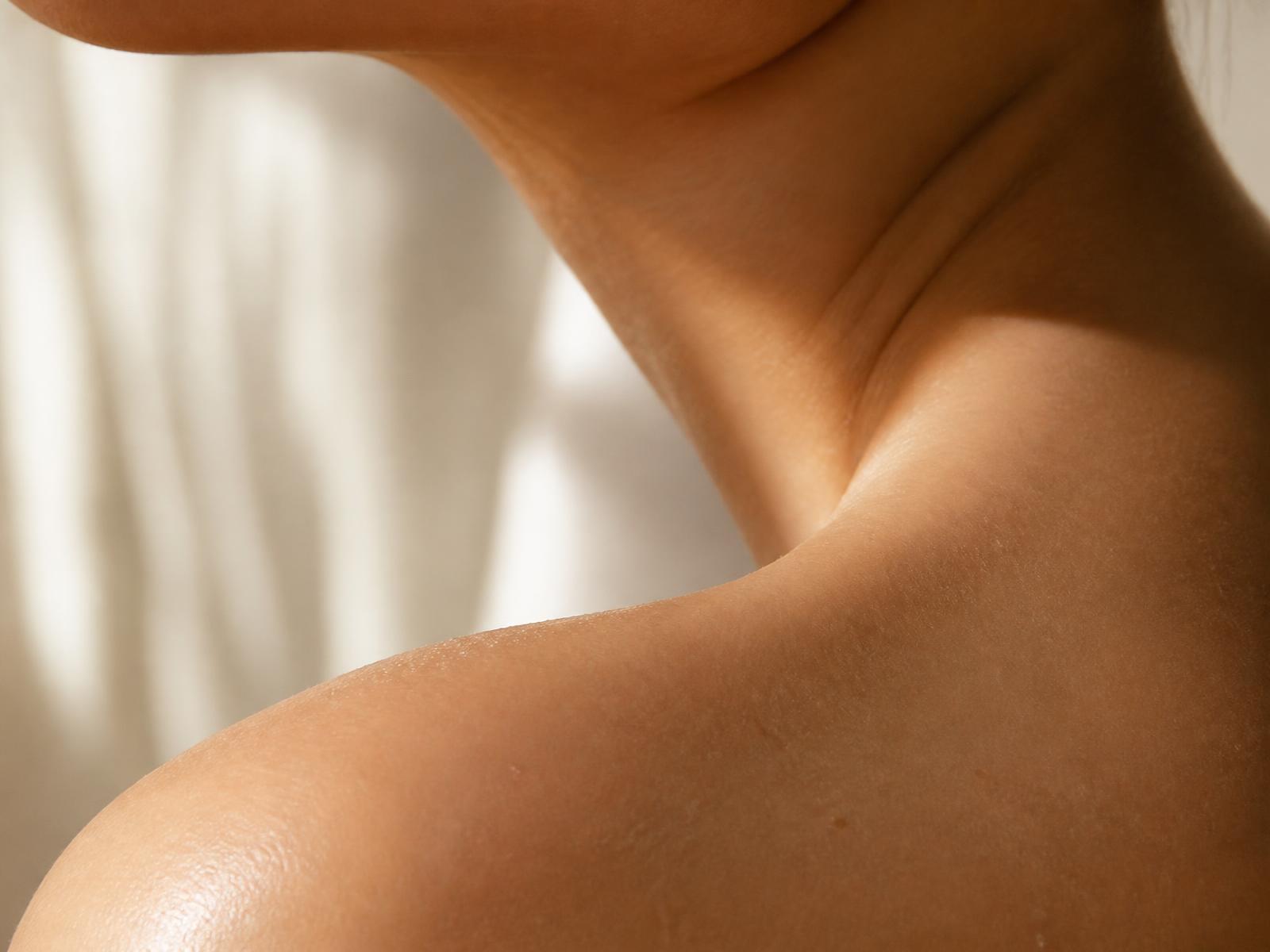
- Treat face and neck as one area — the neck is usually the part people forget.
- Prioritise a gentle cleanser, a moisturiser you like enough to reapply, and daily sunscreen.
- Keep protein and fluids consistent; both support skin as tissue as well as everything else.
- Change one product at a time so you can tell what is helping.
- If loose skin is affecting comfort, hygiene or how you feel day to day, that is a legitimate conversation to have with a clinician — not a personal failure.