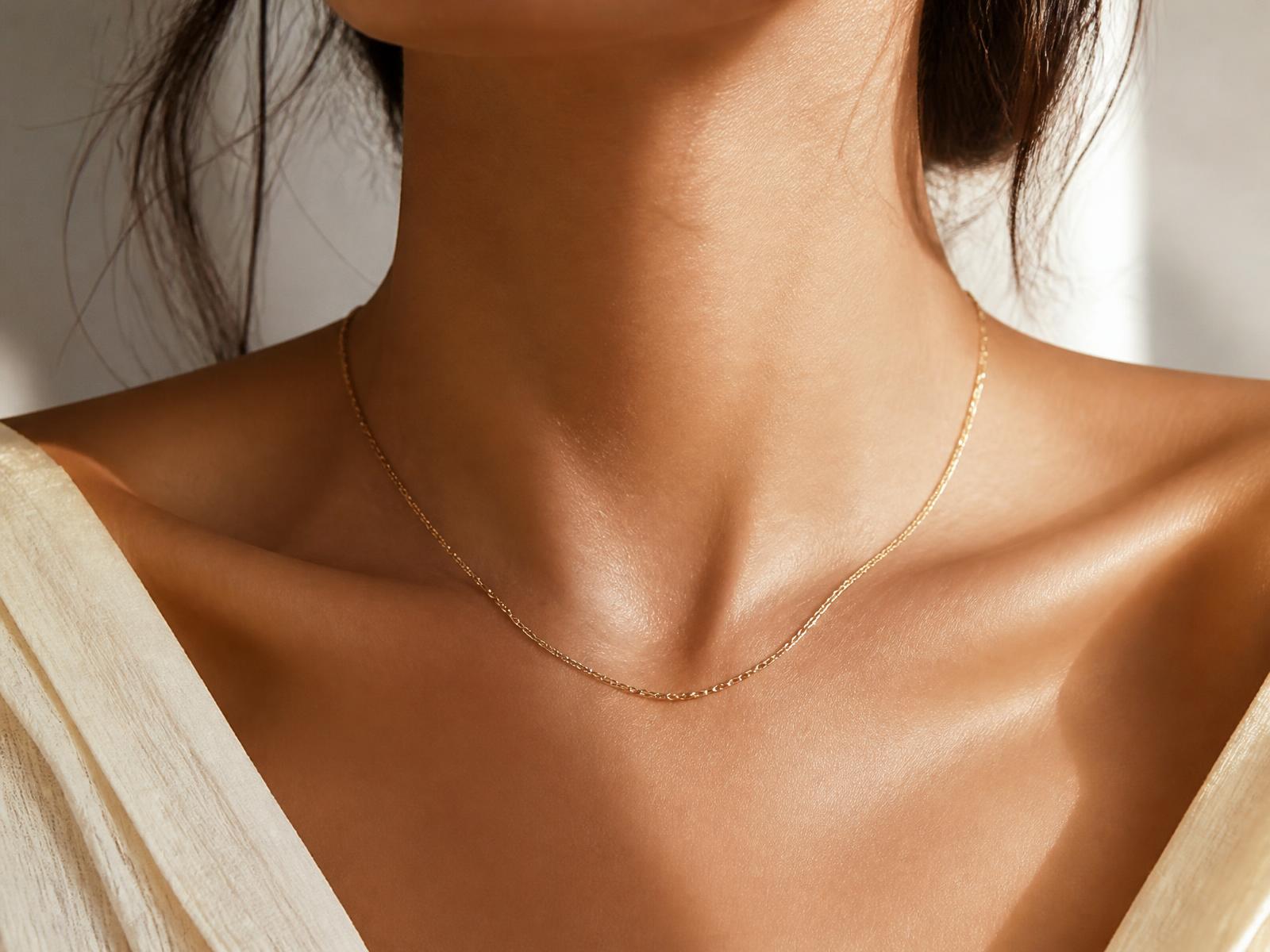
What it is
Crepiness is thinned skin with a compromised barrier and disorganised dermal support. Because the surface is dry and uneven, it scatters light instead of reflecting it, which is what creates the papery look.
Common causes
- Cumulative sun exposure — by far the biggest contributor, which is why it shows on chest and arms
- Age-related thinning
- Chronic dryness and barrier disruption
- Weight loss that reduced the volume the skin was stretched over
- Long-term potent topical steroid use on the affected area
The weight-loss relationship
Weight loss can unmask crepiness that sun damage created over years. The skin quality was already there; the fullness was hiding it.
Approaches
- Hydrate consistently — this alone visibly improves how crepey skin reflects light.
- Barrier moisturisers with ceramides, morning and night, on face, neck, chest and arms.
- A retinoid, introduced slowly; this is the ingredient with the best case for thickening skin over time.
- Daily sunscreen on every area affected, especially chest and arms.
- Gentle exfoliation at low frequency if tolerated, for surface smoothness.
Relevant ingredients
- Retinoids — best supported for long-term improvement
- Ceramides and fatty acids — barrier repair
- Glycerin and hyaluronic acid — immediate plumping
- Niacinamide — barrier support and tone
- Lactic acid or urea on the body, at low frequency